
Ask ten people how much water they’ve had today, and most need a moment to think. Not because they don’t care. Because hydration is so automatic that we rarely notice it at all.
And yet: between 61 and 67% of people in the Netherlands don’t hit the recommended 1.5 to 2 litres a day. That’s not a minor detail. Fluid isn’t a thirst-quencher you add on the side. It’s a raw material that almost every process in your body runs on.
Your body is roughly 60% water. Every cell, every signal between your brain and your muscles, every delivery of oxygen through your blood — it all moves through a watery system. Drink too little, structurally, and you’ll feel it in more places than you’d expect.
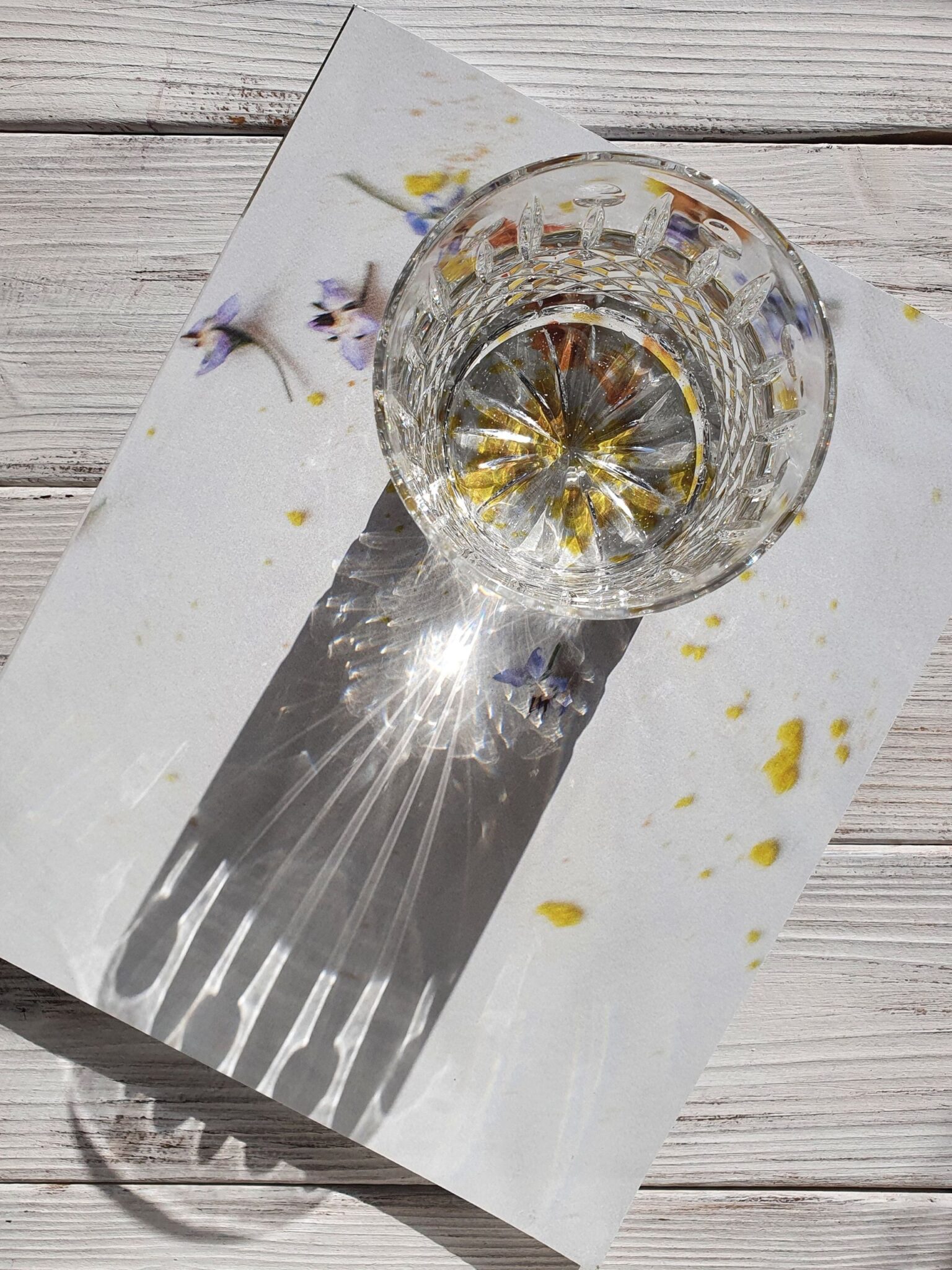
If you’re not drinking enough on a day, this is what happens in your body:
Your metabolism slows down. Well-hydrated cells work more efficiently, even at rest. Research shows that 500 ml of water can measurably raise your resting energy expenditure, with extra fat burning as a side effect.
You tire faster. Even a 1 to 2% fluid deficit lowers your endurance and raises your sense of fatigue. The more you move, the more fluid you burn — and the more you need to stay at your level.
Your focus drops. Dehydration affects short-term memory and alertness. Not a vague feeling — a measurable effect.
Your cortisol rises. A study published in the Journal of Applied Physiology found that people who habitually drink too little show significantly stronger cortisol spikes under stress — sometimes more than 50% higher than well-hydrated people. The tricky part: they didn’t necessarily feel thirstier. But their urine was darker, and their vasopressin — a hormone that, alongside fluid regulation, also drives cortisol release — was elevated. And chronically elevated cortisol, in turn, affects your sleep, your belly fat, your appetite and your recovery.
You confuse hunger and thirst more easily. A glass of water before a meal measurably lowers calorie intake. Not because water is magic, but because thirst and hunger get crossed in your head more often than you’d think.
Your performance drops. Even a 1 to 2% fluid deficit shows up in measurable performance. Well-hydrated, you train with more fat oxidation, in both strength and endurance work.
The European Food Safety Authority recommends 2.5 litres a day for men and 2 litres for women, including fluid from food. For pure drinking fluid: aim for 1.5 to 2 litres, or 8 to 10 glasses. On hot days or during intense training, that climbs to 2.5 to 3 litres.
A simple check, no scale or app required: look at your urine. Light yellow to clear is good. Dark yellow or amber means you’re behind.
Start with a large glass of water before your first coffee of the day.
Fill a one-litre bottle and make sure you empty it twice a day.
Tea, broth and ice cubes count too, but water remains the best choice, simply because it doesn’t bring along unnecessary calories or sugar.
And on hot days: refill more often than you think you need to.
Fluid isn’t a side note. It drives your metabolism, your energy, your stress response, your appetite and your performance. With temperatures rising, it deserves more attention than a half-empty glass on your desk.