
Train for Life: Injury Prevention Tips for Sustainable Long‑Term Results
Training hard is only part of the equation. Without smart injury prevention, your progress can stall or even reverse. At B-One Training Amsterdam, we focus on sustainable training that protects your body while helping you build strength and confidence for the long haul. Keep reading to learn simple steps that make consistent, injury-free workouts your new normal.
Injury Prevention Basics
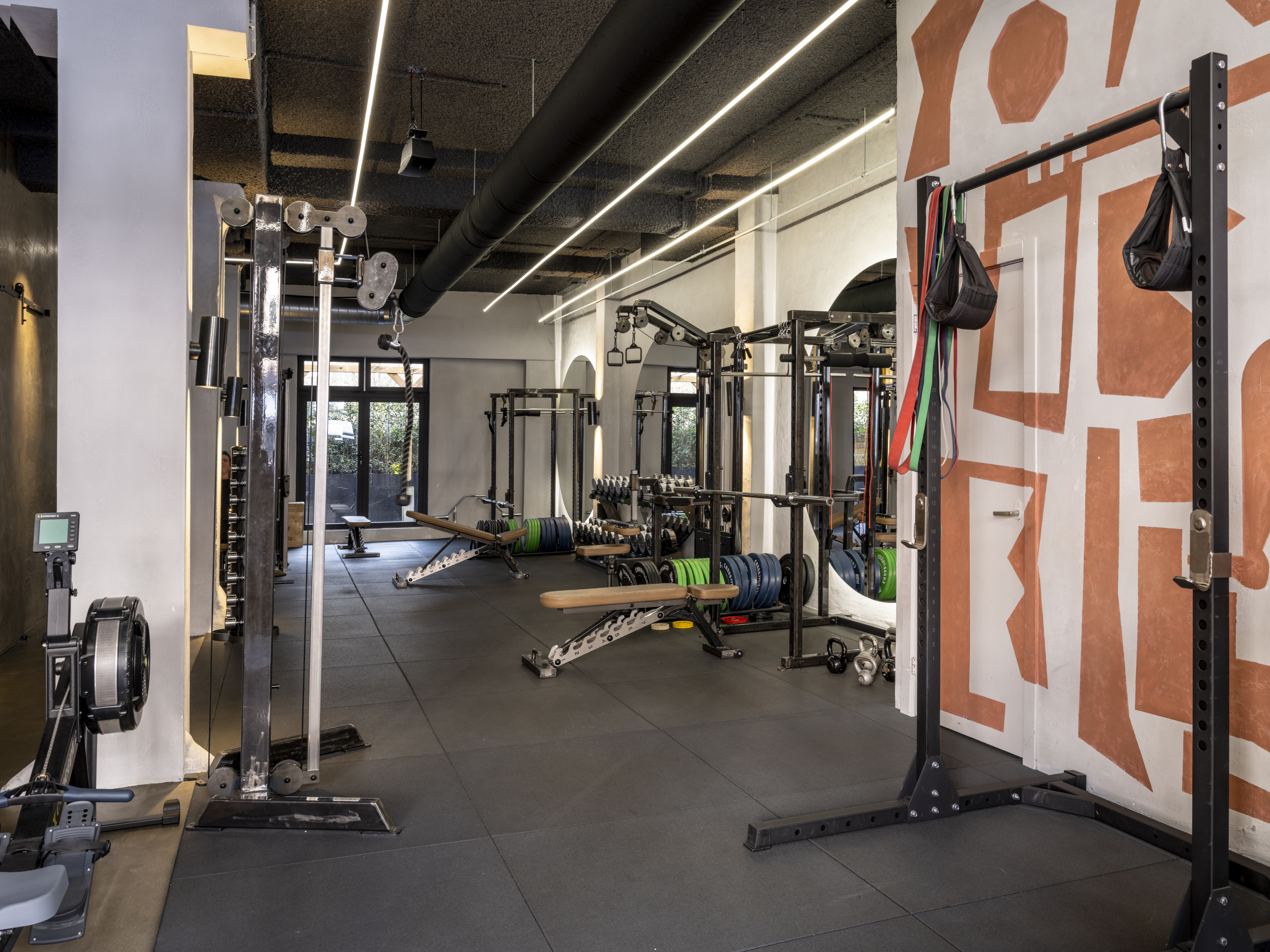
To keep your workouts safe and effective, it’s essential to understand injury prevention’s core aspects. This foundation ensures your fitness journey is not only productive but also sustainable for the long term.
Warm-Up Routine Essentials
Starting your workout with a solid warm-up is crucial. This step preps your muscles and joints for the activities ahead. Begin with light cardio: a brisk walk or gentle cycle for 5-10 minutes works wonders. Follow this with dynamic stretches, focusing on major muscle groups. This increases blood flow and flexibility, reducing the risk of strains.
Skipping the warm-up can lead to overuse injuries. Many believe that starting slow isn’t necessary, but that’s a misconception. A proper warm-up makes you feel ready and reduces injury risks, setting a solid foundation for effective training.
Proper Form and Technique Tips
Executing exercises with the right form is vital for avoiding injuries and maximizing results. Focus on alignment: keep your back straight, engage your core, and control your movements. If you’re unsure, consider a session with a coach to master the basics.
Most people think heavier weights mean better results, but quality trumps quantity here. Using proper form enhances muscle engagement and prevents unnecessary strain. Remember, it’s about training smart, not just hard.
Mobility and Stability Importance
Mobility and stability are often overlooked yet crucial components of injury prevention. They not only enhance performance but also safeguard against common injuries. Incorporate exercises that improve joint stability and range of motion into your routine.
Think of your body as a well-coordinated machine. Mobility ensures all parts move smoothly while stability maintains balance. This combination is key to sustaining long-term training without setbacks.
Sustainable Training Strategies

Building on the basics, sustainable training strategies help you maintain progress over time. These methods ensure you’re continually improving while minimizing injury risks.
Progressive Overload Principles
One of the most effective ways to enhance your training is through progressive overload. This involves gradually increasing the intensity of your workouts by adding weight, reps, or sets. It encourages your muscles to adapt and grow stronger.
A common mistake is to rush this process, leading to burnout or injury. Instead, focus on gradual, consistent increases. Listen to your body and adjust as needed. This approach not only boosts strength but also ensures safe, steady progress.
Cool-Down and Recovery Methods
After a workout, cooling down is just as important as warming up. It helps your body transition back to rest and reduces muscle soreness. Spend 5-10 minutes walking or stretching, focusing on areas used during your session.
Recovery is where the real growth happens. Allow time for rest and repair, incorporating techniques like foam rolling or massages. Most people neglect this phase, but consistent recovery is crucial for long-term gains and preventing injuries.
Importance of Deload Week
Inclusion of a deload week in your training cycle is a game-changer. This period involves reducing workout intensity, allowing your body to recover while maintaining fitness levels. It’s essential for preventing overtraining and plateauing.
The concept may seem counterintuitive, but taking a step back can propel you forward. Deload weeks prevent burnout and prepare your body for future challenges. Embrace this strategy for sustainable, long-term training success.
Holistic Health and Wellness

Beyond physical training, holistic health practices play a significant role in injury prevention and overall well-being. These elements support your fitness journey from the inside out.
Nutrition for Recovery
Fueling your body with the right nutrients accelerates recovery and boosts performance. Ensure your diet is rich in proteins, healthy fats, and carbohydrates. These macronutrients aid muscle repair and replenish energy stores.
Dehydration and poor nutrition can slow recovery, affecting your progress. Prioritize balanced meals and adequate hydration to optimize results. Remember, what you eat is as crucial as how you train.
Sleep and Stress Management
Quality sleep and stress management are often underestimated components of a successful training regimen. Aim for 7-9 hours of sleep per night to support recovery and mental clarity. Stress management techniques, such as meditation or yoga, can also enhance your performance.
Neglecting these aspects can lead to fatigue and increased injury risk. Prioritize rest and relaxation as much as exercise. A well-rested body is more resilient and ready for challenges.
Personalized Coaching Benefits
Engaging with a personalized coach offers tailored guidance and support. A coach helps refine your technique, optimize your workouts, and keep you accountable. This personalized attention can significantly enhance your training experience.
Many people try to go it alone, but having expert support makes all the difference. Coaches provide insights and motivation, ensuring you reach your goals safely and effectively. Consider this approach for a truly transformative fitness journey.
Incorporating these strategies into your routine will ensure you train smarter and stay injury-free. Prioritize your health and fitness with the personalized support B-One Training Amsterdam offers. From injury recovery training to flexible scheduling, we’re here to guide every step of the way.