
Fruit and vegetables both deserve a place in a healthy diet.
Both provide vitamins, minerals, fibre and bioactive compounds that contribute to our health. But when we look specifically at weight management and body composition, there are reasons to give vegetables a bigger role on your plate.
That doesn’t mean fruit is bad for you. Far from it.
The main difference comes down to things like energy density, volume and satiety.
Vegetables and fruit have plenty in common. They both provide fibre, vitamins, minerals and bioactive compounds. One important difference is their sugar and energy content.
Vegetables generally contain fewer carbohydrates and calories. At the same time, they can provide a lot of volume for relatively few calories.
That matters when it comes to weight management: a larger volume of food can help you feel satisfied without significantly increasing your calorie intake.
Research from three large US cohort studies found that a higher intake of non-starchy vegetables was associated with less weight gain over the years. Starchy vegetables, such as potatoes, did not show the same association.
Systematic reviews also show an inverse association between vegetable intake and weight-related outcomes in adults, particularly when vegetables replace more calorie-dense foods.
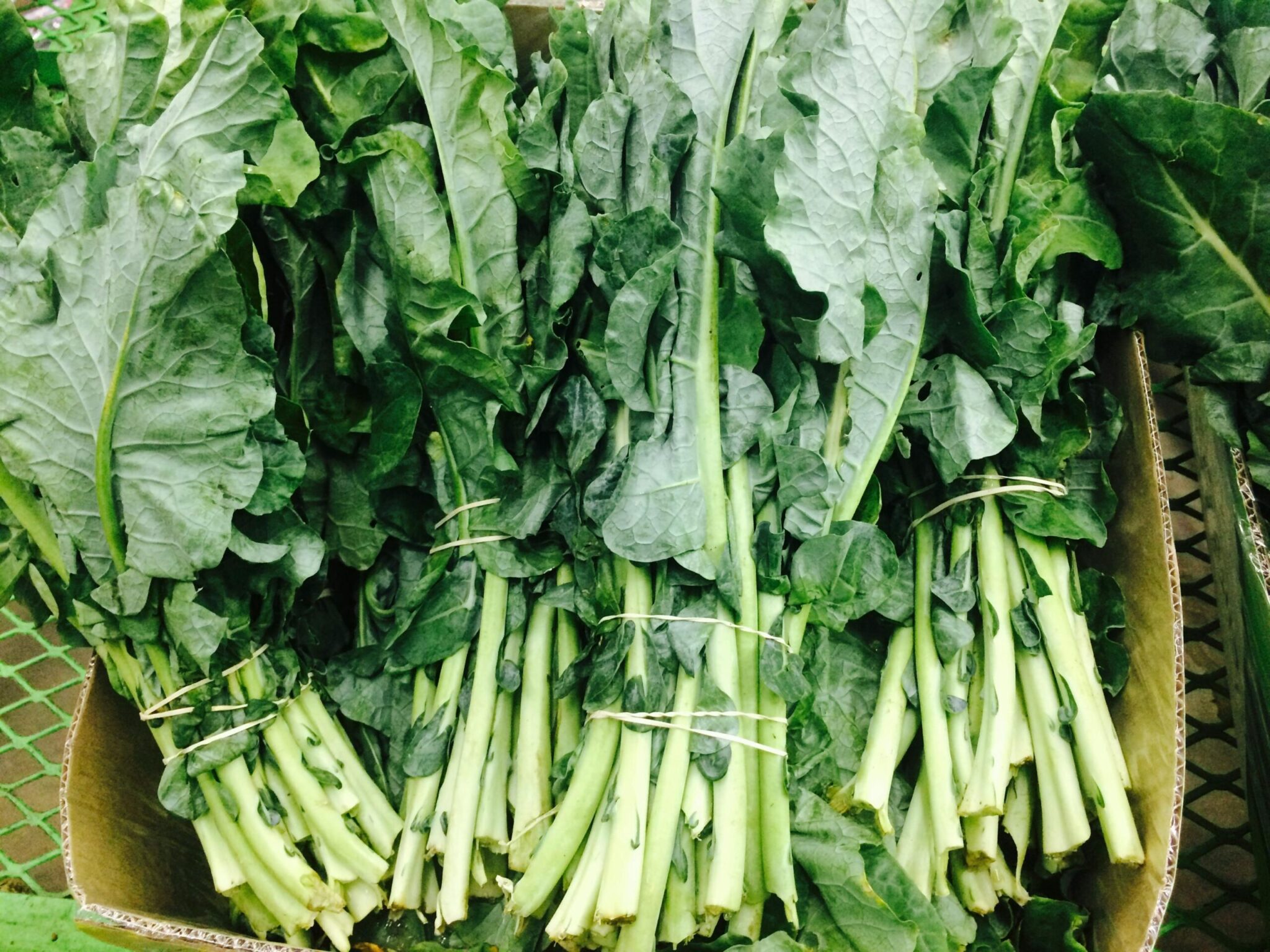
Does that mean you should stop eating fruit and replace everything with vegetables Definitely not.
Fruit remains a valuable part of a healthy diet. Research looking at fruit and vegetable intake together shows that the benefits continue to increase at higher intakes. A large dose-response meta-analysis, including 95 studies and more than two million participants, found health benefits at intakes of up to around 800 grams of fruit and vegetables per day.
At this level, the risks of heart disease, stroke, cardiovascular disease and premature mortality were significantly lower compared with low fruit and vegetable intake.
Research looking specifically at vegetables also found protective effects against ischaemic heart disease and both ischaemic and haemorrhagic stroke. The biggest reduction in risk was seen when moving from almost no vegetables to around 300–370 grams per day, with more modest additional benefits at higher intakes.
Eating more vegetables doesn’t have to mean completely changing the way you eat. One simple approach is to replace part of the starch on your plate – such as rice, pasta, potatoes or bread – with an extra serving of vegetables.
That lowers the energy density of your meal while increasing its volume.
In practice, that means you can still eat a satisfying amount of food without dramatically reducing your portion size.
Research into energy density shows that people eating foods with a lower energy density, including vegetables, often consume fewer calories while eating a similar total volume of food.
A few practical ways to increase your vegetable intake:
It doesn’t have to be one or the other.
Fruit remains an important part of a healthy diet. But if your goal is to manage your weight while still eating satisfying meals, giving vegetables a bigger role can make a meaningful difference. More food volume, relatively few calories and plenty of fibre and nutrients.
So keep the fruit.
But maybe give vegetables a little more room on your plate.