
What to Look For in an Injury Recovery Training Program: Your Safe Path Back to Strength
Most injury recovery programs focus on quick fixes, leaving you unsure about your next steps. Getting back your strength takes more than just time—it needs a plan built around your unique needs. In this post, you’ll learn what makes a post-injury training program truly safe and effective, so you can take confident steps toward full recovery with expert guidance in injury recovery training Amsterdam. For more insights, you can explore this resource.
Key Components of Recovery Programs
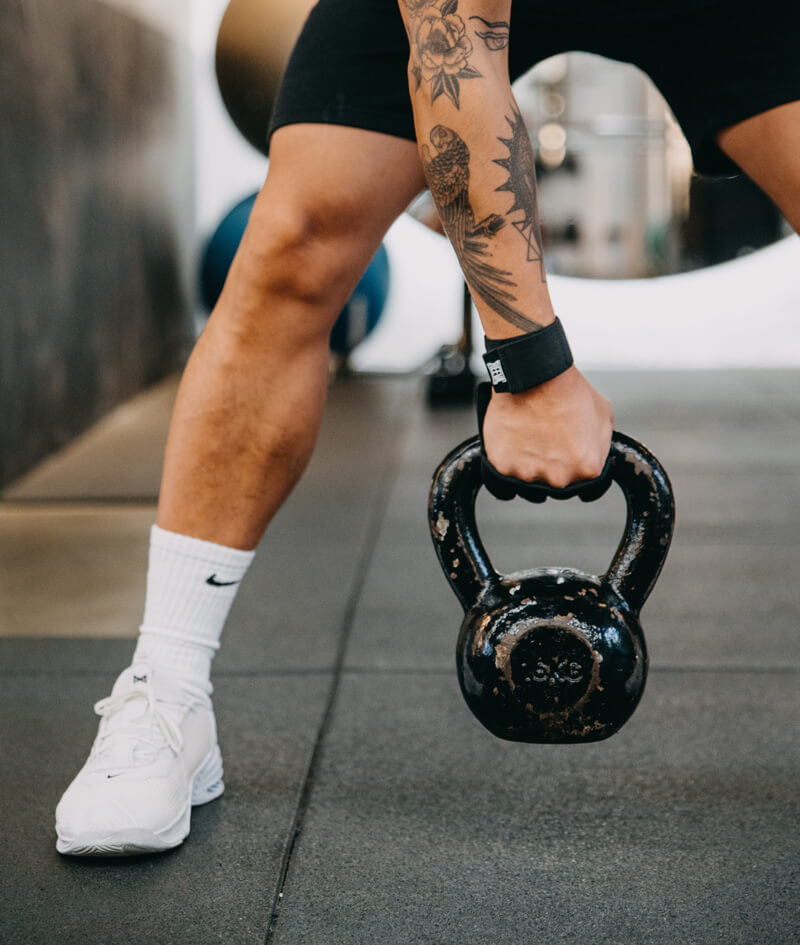
Starting your recovery journey requires understanding the core elements of an effective program. Let’s explore what these components entail and why they matter.
Understanding Movement Assessment
One size doesn’t fit all in recovery. A movement assessment reveals your body’s strengths and limitations. This process helps tailor a program that aligns with your specific needs. Experienced trainers look at how you move, identifying areas that need support or modification. The assessment sets a solid foundation, ensuring exercises are both safe and effective.
Consider it a roadmap. Without it, you might miss crucial steps that ensure progress without setbacks. Movement assessments not only highlight current issues but also predict potential challenges. This foresight is crucial in avoiding re-injury during your training journey. To see how these assessments fit into injury recovery, check out this article.
Importance of Personalized Coaching
Imagine trying to fit a square peg in a round hole. That’s what it’s like using a generic recovery program. Personalized coaching provides a tailored fit. Coaches work closely with you, adapting exercises to your recovery pace. This approach reduces the risk of further injury and maximizes strength gains.
Personalized coaching isn’t just about exercises. It’s about building a relationship where your coach understands your goals and challenges. This connection fosters trust, motivating you to push through tough times. With one-on-one guidance, each session is productive and focused on your unique path to recovery.
Nutrition and Lifestyle Support
Recovery isn’t just physical; it’s holistic. Nutrition and lifestyle play a huge role in healing. Proper nutrition fuels your body, supporting muscle repair and energy levels. Coaches often provide guidance on meal planning and hydration to enhance your recovery journey.
Lifestyle adjustments matter too. Sleep, stress management, and daily activity levels all contribute to how well and quickly you recover. By addressing these aspects, you create an environment where your body can thrive. The longer you wait to implement these changes, the longer full recovery might take.
Building a Safe Training Plan
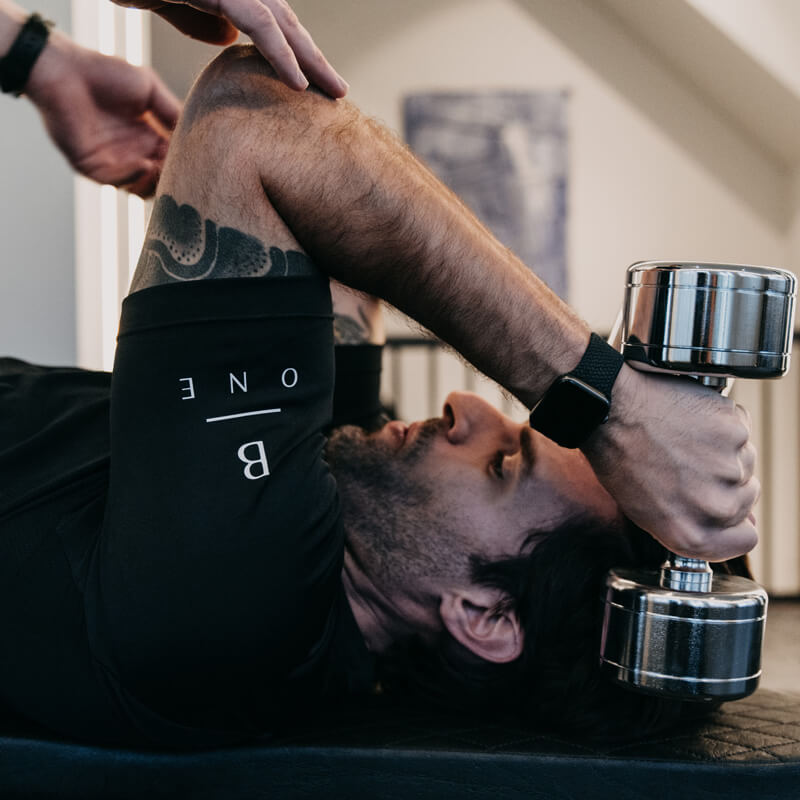
Let’s dive into crafting a plan that not only builds strength but also ensures safety at every step.
Phases of Strength Training After Injury
Recovery isn’t a sprint—it’s a marathon. Strength training post-injury involves multiple phases. You start slow, focusing on gentle movements to rebuild confidence. This phase strengthens your foundation without overwhelming your body. Gradually, you increase intensity, introducing more complex exercises.
This phased approach allows your body to adapt, reducing the risk of re-injury. Each phase builds upon the last, ensuring a steady climb back to full strength. For insights into how these phases support recovery, see this detailed guide.
Ensuring Injury-Safe Workouts
Safety is paramount. Injury-safe workouts incorporate exercises that protect vulnerable areas. Trainers focus on form, ensuring each movement is executed correctly. This attention to detail prevents strain and encourages proper muscle activation.
Using the right equipment also plays a role. Tools like resistance bands or stability balls can add support and variety, making workouts both safe and challenging. With expert guidance, you can confidently progress, knowing you’re minimizing risks.
The Physio to Training Bridge
The transition from physiotherapy to regular training needs careful planning. The bridge between the two involves combining therapeutic exercises with strength-building routines. This ensures continuity in your rehabilitation, preventing gaps in care.
Your trainer and physiotherapist work together, sharing insights and updates. This collaboration means your program evolves with you, adapting to your progress. By maintaining this bridge, you safeguard your recovery journey, moving seamlessly from treatment to training.
Benefits of Private Training Studios
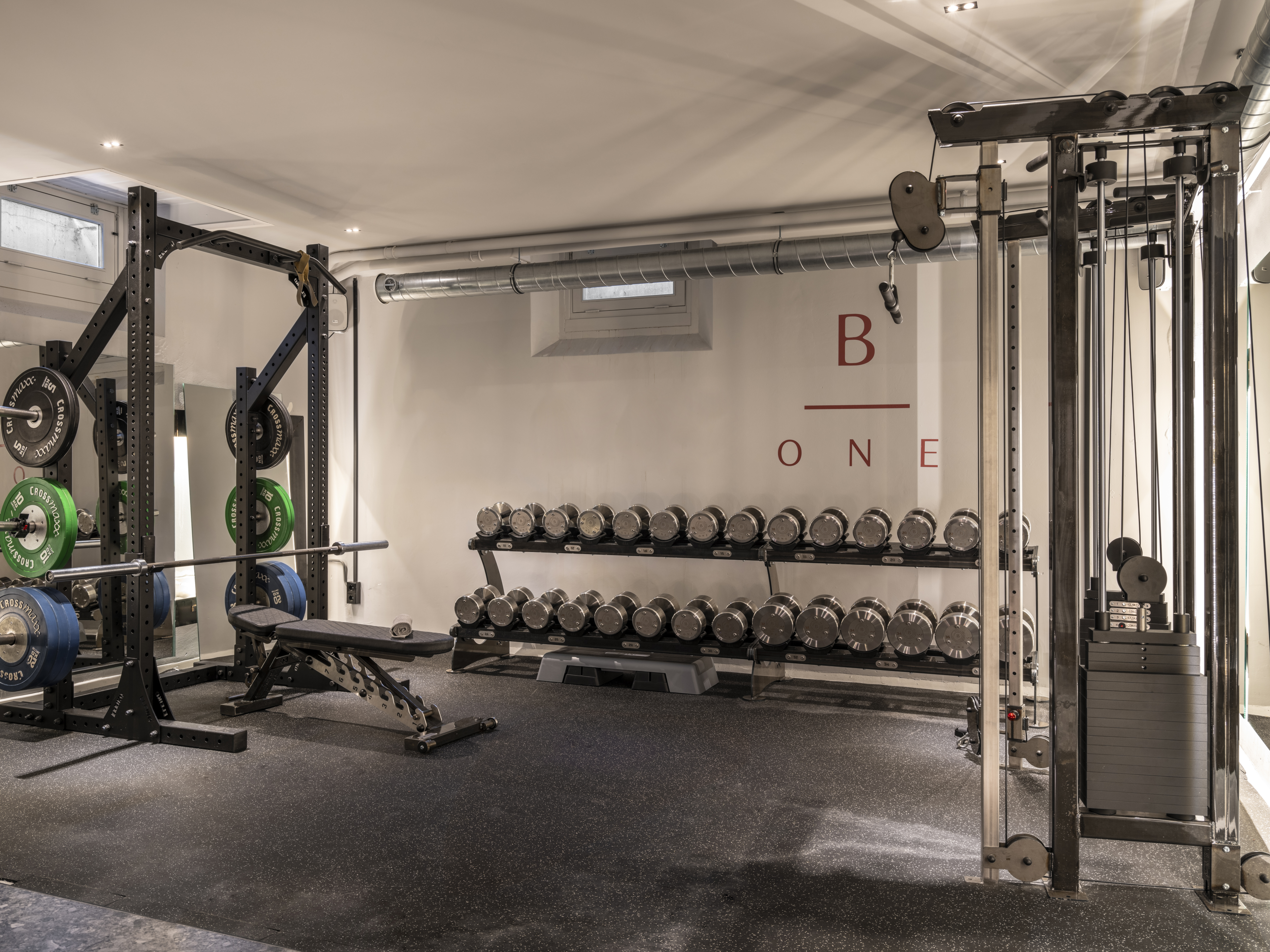
Discover why a private studio setting can make a significant difference in your recovery process.
Return to Sport Safely
For athletes, returning to sport is a top priority. A private training studio offers a controlled environment where you can work on sport-specific skills. Trainers tailor exercises to mimic game scenarios, ensuring you’re ready to hit the field confidently.
In this setting, distractions are minimal, allowing you to focus entirely on improving performance. With a personalized approach, you ensure that when you return, it’s not just safe—it’s sustainable.
Flexible Schedules for Busy Lives
Life doesn’t pause for recovery. Flexible schedules in private studios accommodate your busy lifestyle. Whether you’re an early riser or night owl, you can find a training time that suits you.
Flexibility is more than convenience. It ensures consistency, allowing you to maintain a regular training routine. This consistency is key in keeping momentum and achieving your recovery goals.
Community Trust in B-One Training
Why do so many trust B-One? It’s the sense of community and expertise. With over 448 five-star reviews, clients praise the supportive atmosphere and effective results. This trust isn’t just built on words; it’s proven through countless success stories.
When you choose B-One, you join a community committed to your success. You’re not just another client; you’re part of a family dedicated to helping you thrive. With expert guidance and a welcoming environment, B-One stands as a leader in injury recovery training Amsterdam.
By understanding these key elements, you’re now equipped to choose a program that sets you on a safe path back to strength. Prioritize your recovery and take confident steps forward, knowing a supportive community is with you every step of the way.